
Why Redesign?
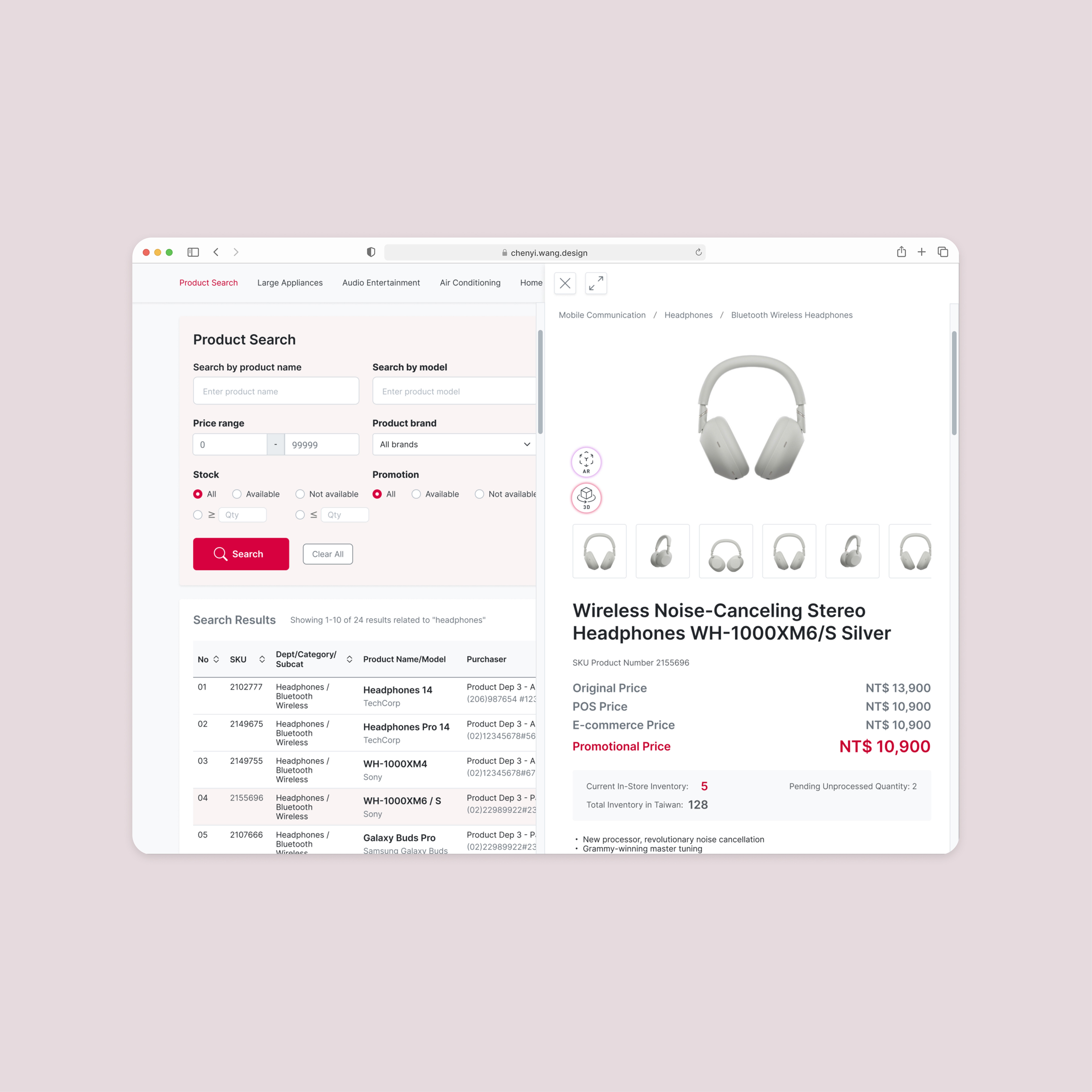
Target User & Pain Points
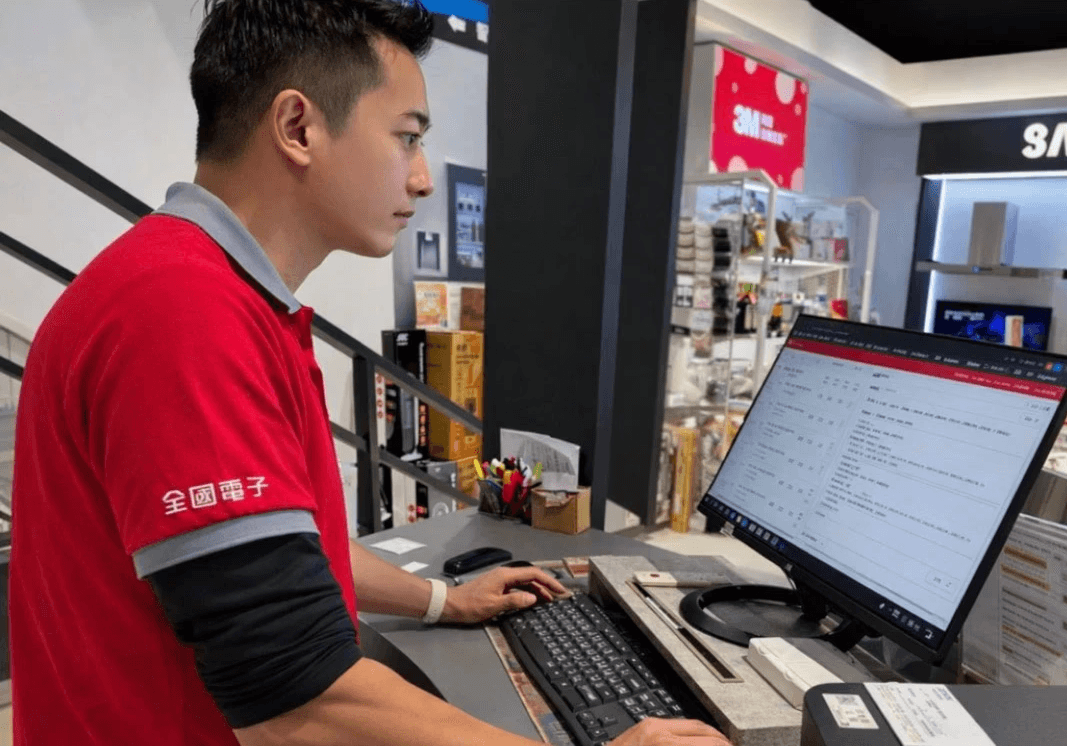
In-store sales associates
Sales associates often use the system:
While standing next to customers
Under time pressure
While multitasking
On tablets or shared devices
Design Goals
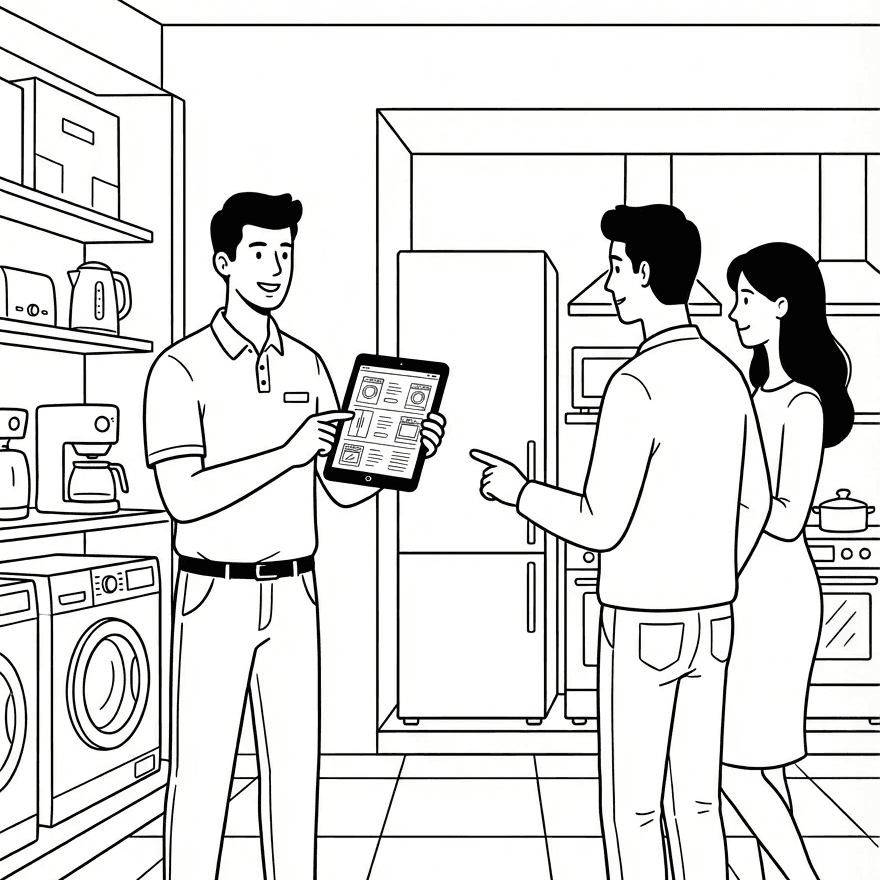
Based on user context and business needs, I defined three core design principles:
Fast access to critical information — reduce time spent searching for product and inventory details
Clear, linear navigation — minimize window switching and cognitive load
Mobility-first experience — ensure the interface works seamlessly on tablets during in-store conversations
🔥 Challenges
Extremely tight timeline: One-month delivery from research to launch
Complex decision-making structure: Bureaucratic approval process slowed feedback cycles
Before / After
Before
The original interface functioned more like an internal system query tool, which created several usability issues:
Poor information hierarchy, making key information hard to scan
Dense, hard-to-scan tables
Unstructured search fields
High cognitive load for users
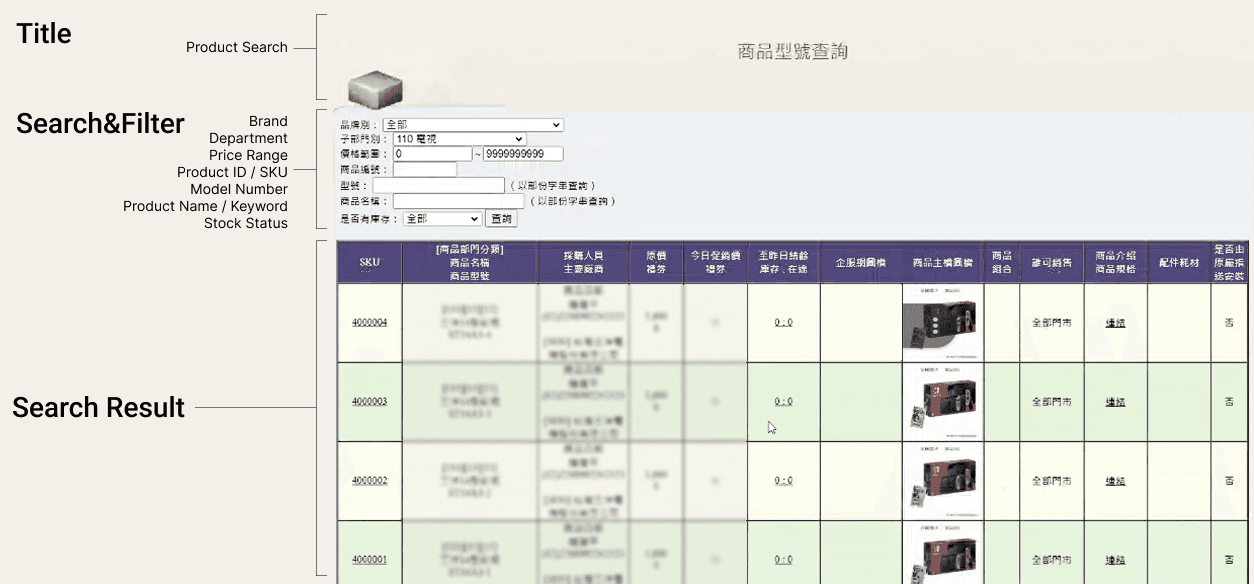
The original interface was in Chinese; labels shown here are translated for clarity.
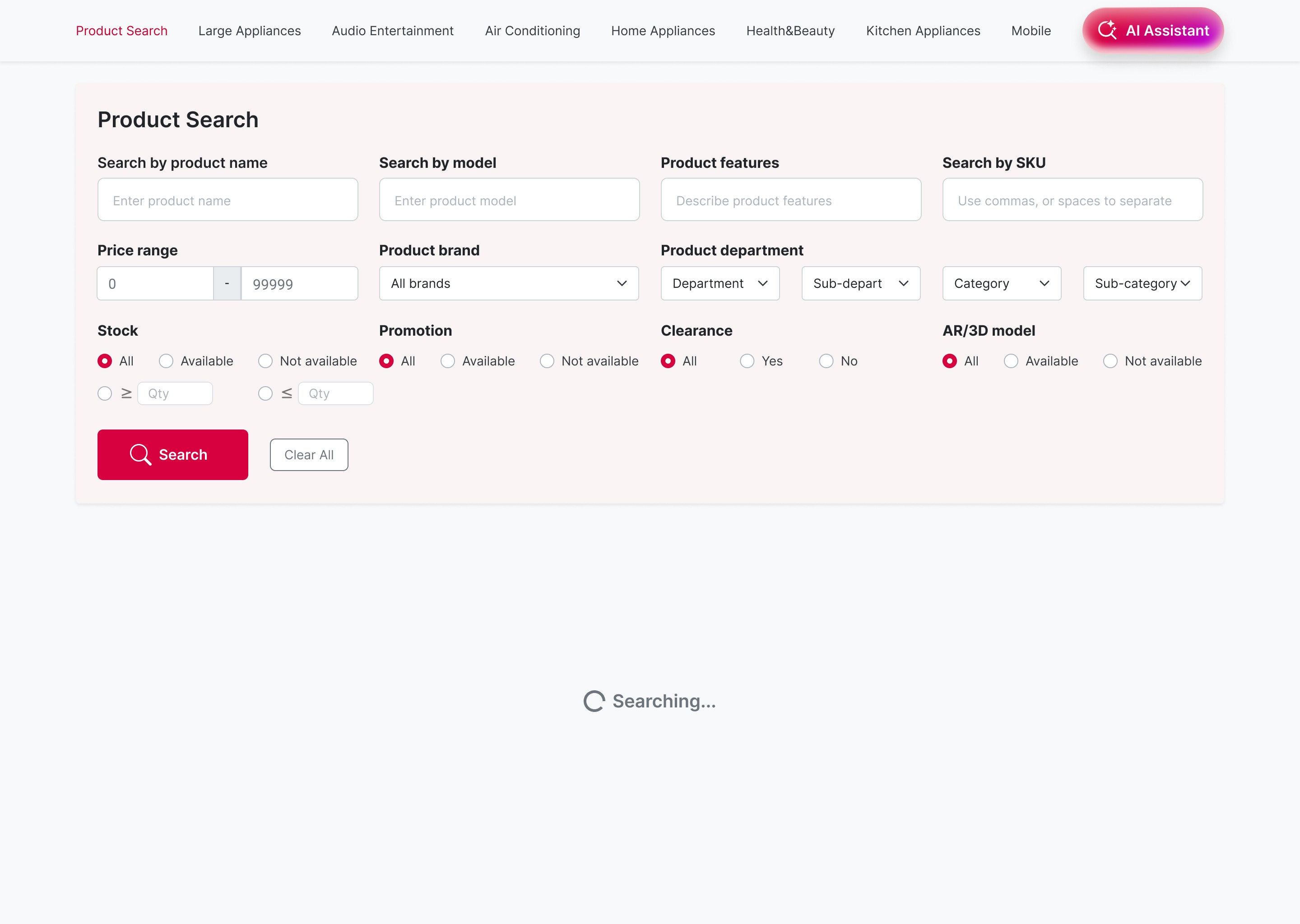
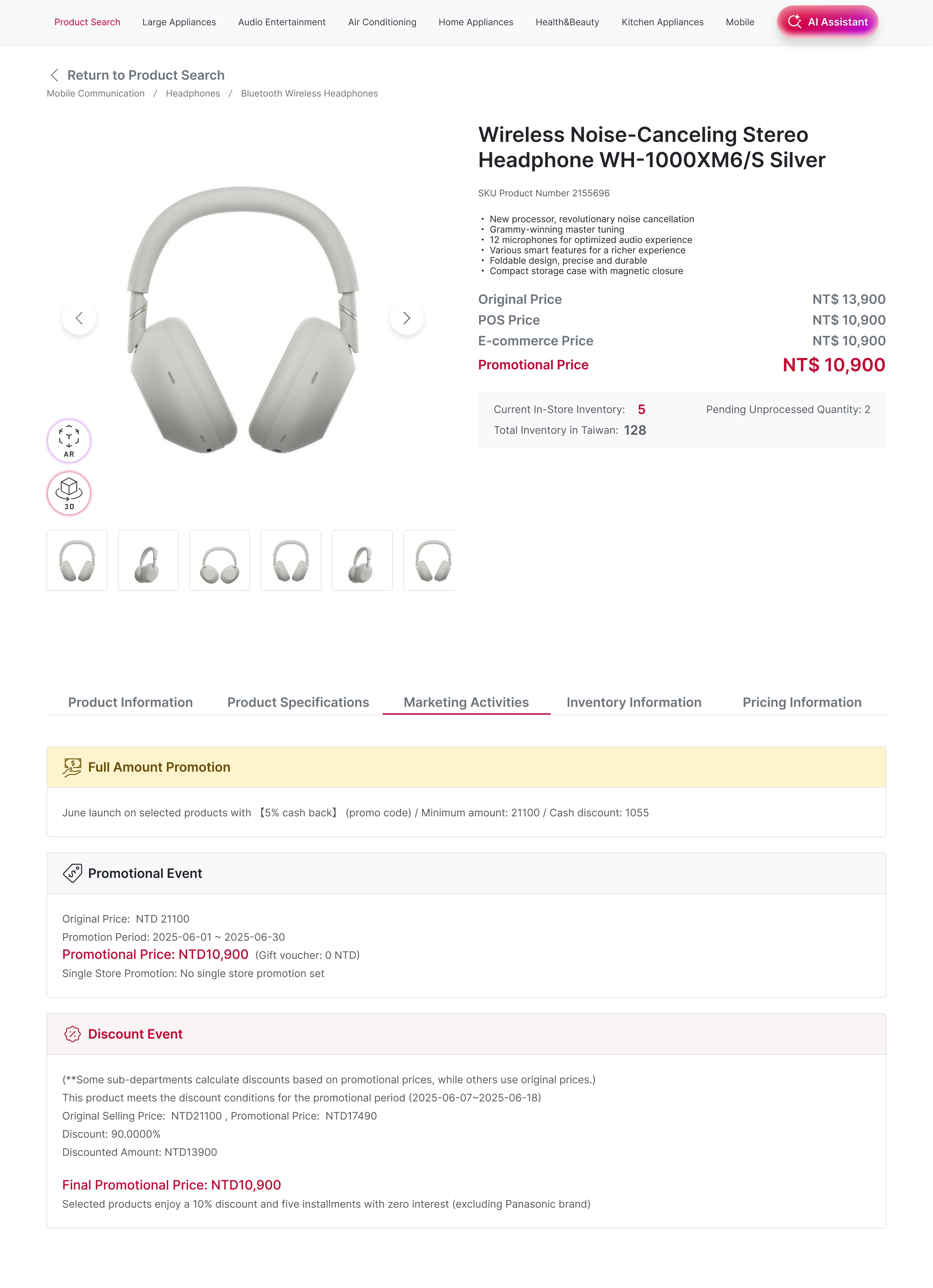
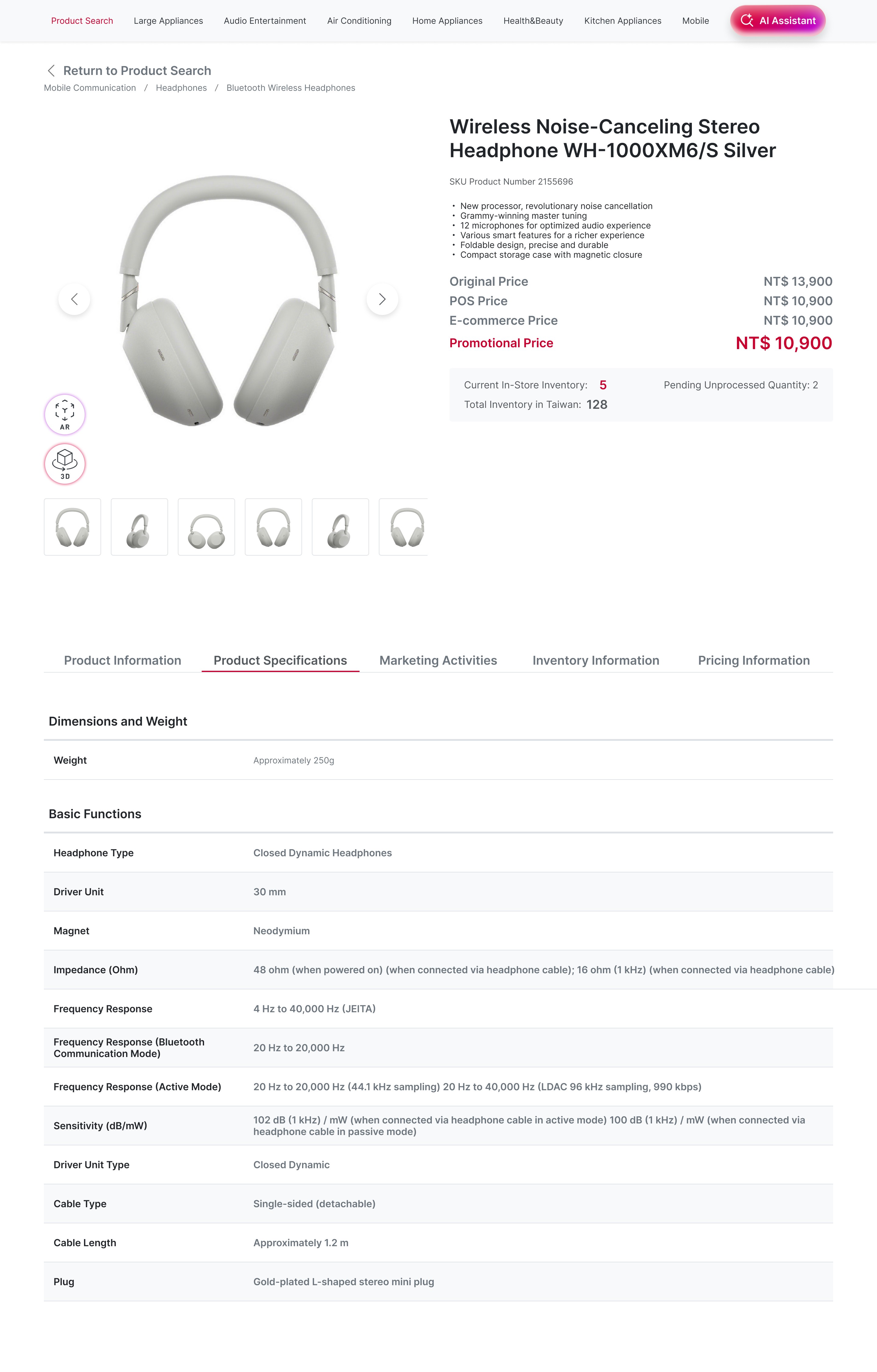
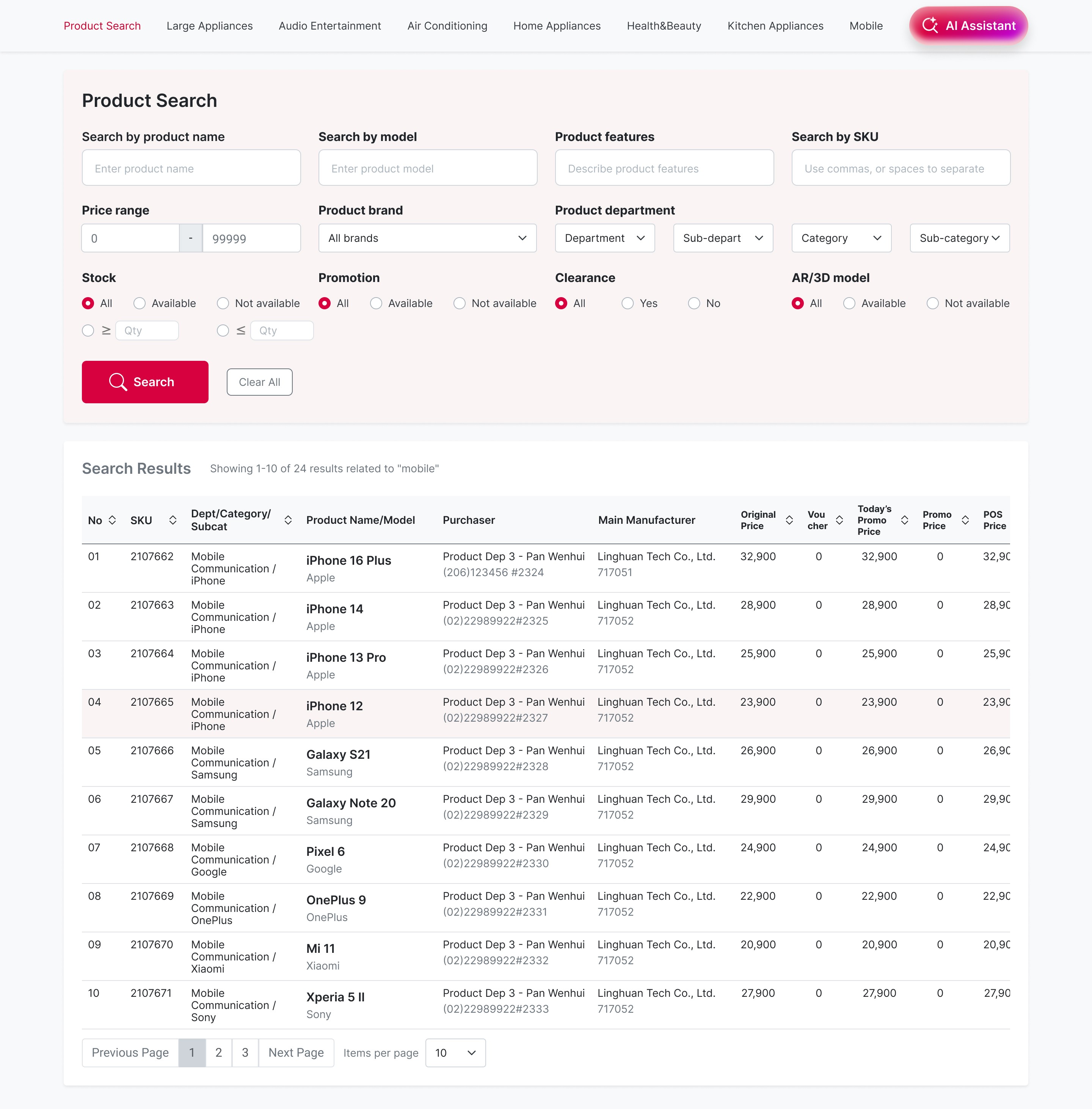
After
Research & Insights
Through user interviews and workflow reviews, I identified several critical pain points:
Users were forced to open multiple windows to compare products, often losing context
Cluttered layouts made it easy to get lost during customer conversations
The system was not responsive, making it difficult to share information directly with customers on tablets
Design & Strategy
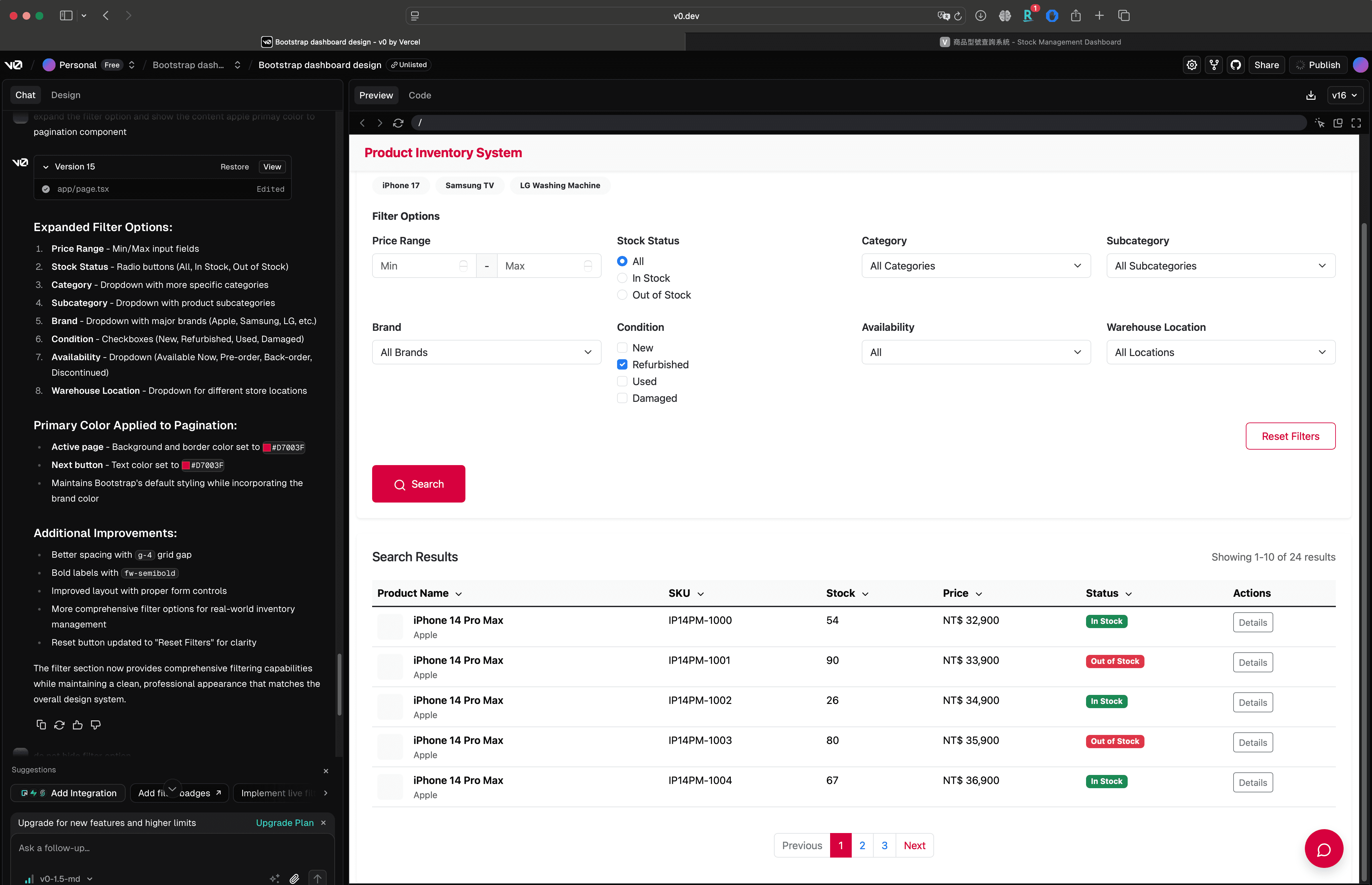
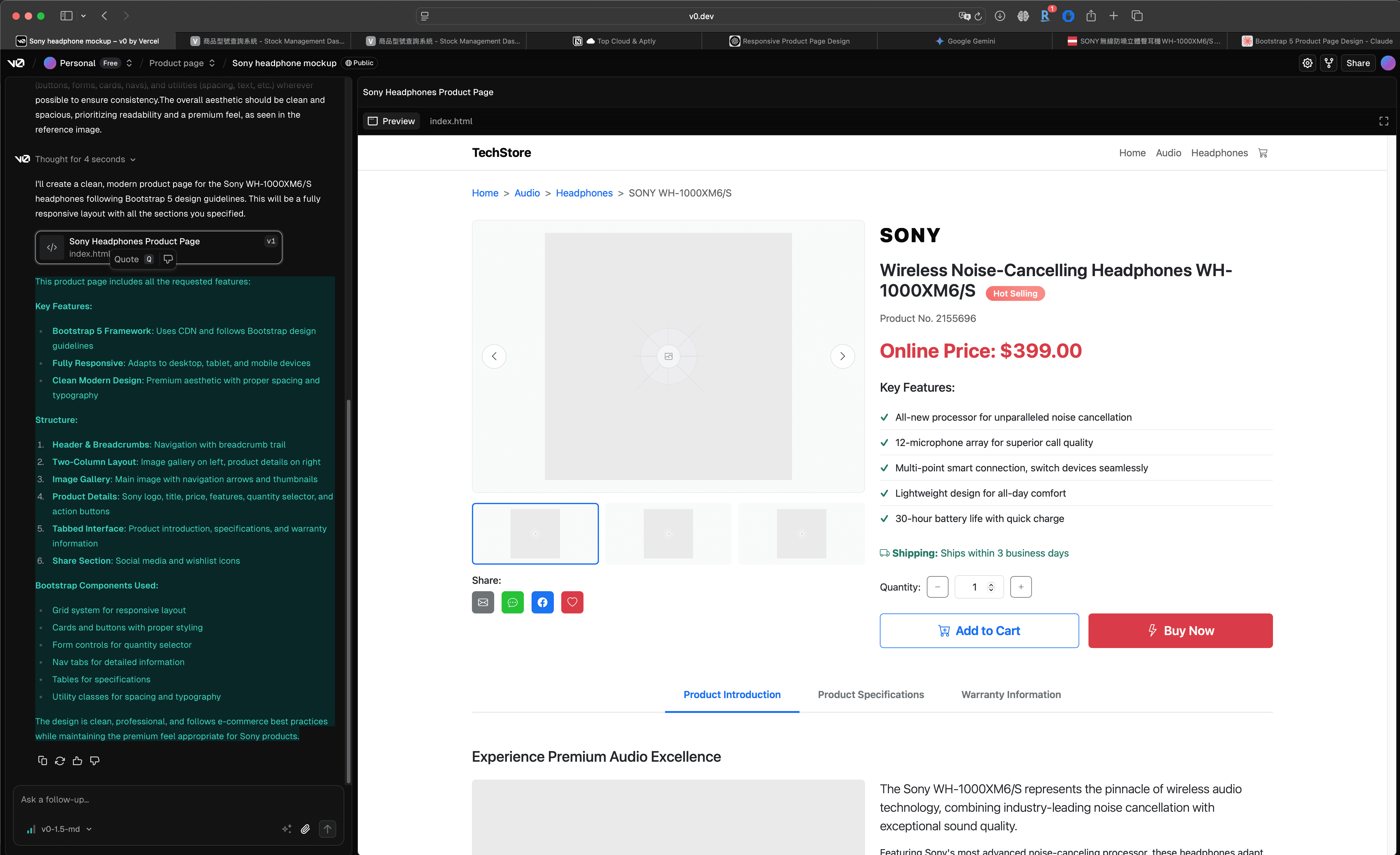
Accelerating alignment with AI-assisted Mockups
Given the compressed timeline, I used AI tools such as Claude and V0 to rapidly generate wireframes and mockups.This allowed me to visualize ideas early, align PMs and engineers faster, and reduce back-and-forth during client reviews.
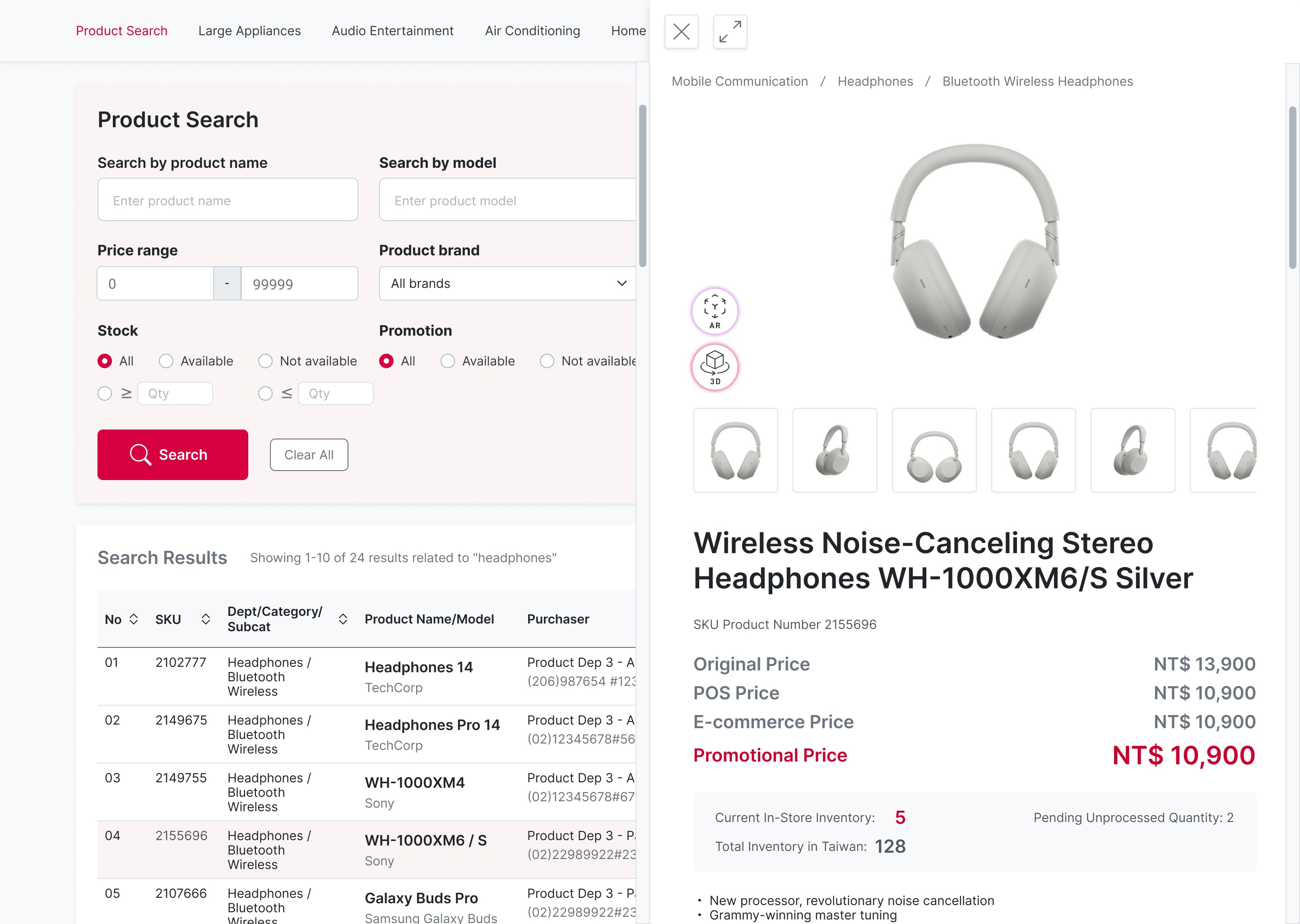
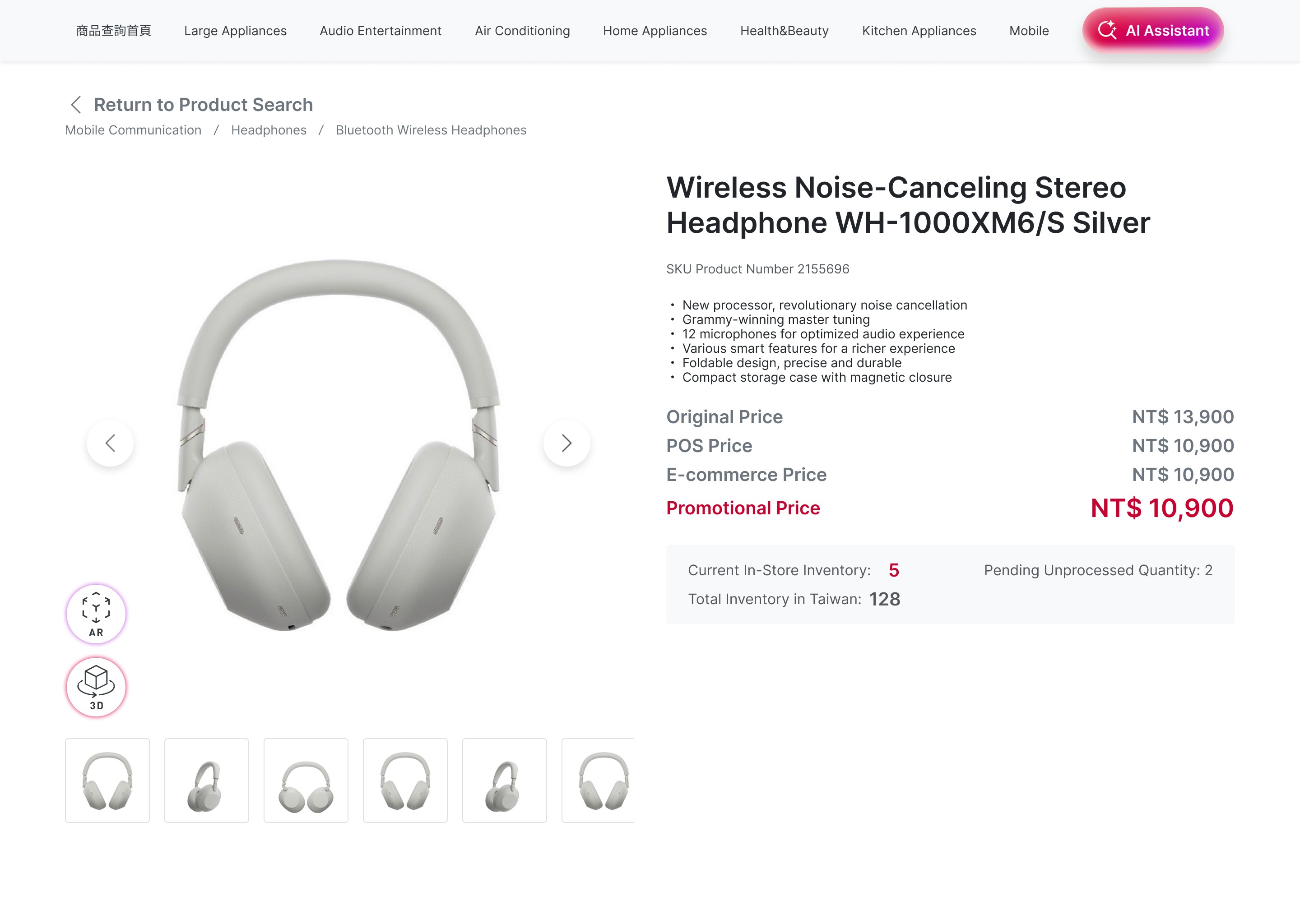
Reducing window switching
I intentionally redesigned the information architecture to keep key product details within a single, scrollable view, allowing sales associates to compare products without losing context.
Collaboration with Engineering
I worked closely with front-end engineers to optimize the responsive layout, ensuring the interface remained usable on tablets and smaller screens.
Design decisions were continuously adjusted based on technical feasibility to avoid late-stage rework.
Final Design